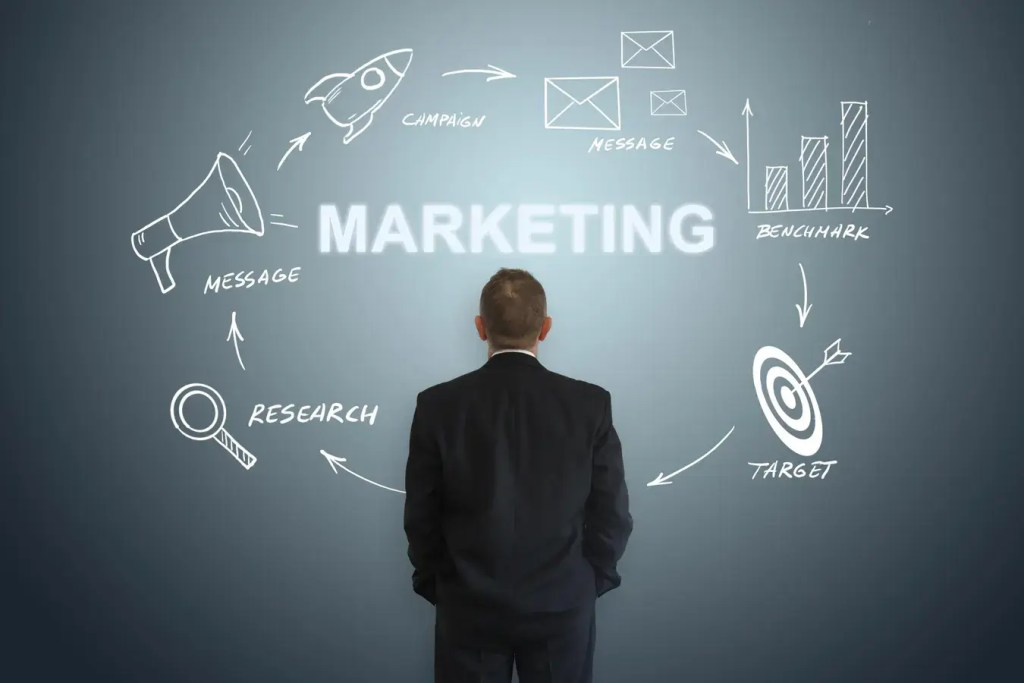
How to Build Your 2025 Marketing Strategy
As we step into 2025, businesses are once again faced with the challenge of adapting their marketing strategies to an ever-changing landscape. With evolving consumer behaviors, rapid advancements in technology, and increasing competition, staying ahead requires a thought out plan. At Gresham Group, we specialize in helping businesses navigate these complexities to craft impactful strategies that deliver results. Here’s a step-by-step guide to building your 2025 marketing strategy.
1. Reflect on 2024: Analyze and Audit
Before looking forward, take a moment to look back. Conduct a comprehensive audit of your 2024 marketing efforts. Identify what worked, what didn’t, and why. Key areas to analyze include:
- Performance Metrics: Assess KPIs like ROI, website traffic, conversion rates, and social media engagement.
- Audience Insights: Evaluate whether your campaigns effectively reached and resonated with your target audience.
- Content Audit: Identify top-performing content and underperforming assets.
By understanding past successes and failures, you’ll be better equipped to refine your strategy for 2025.
2. Set Clear Objectives
Start with the end in mind. What do you want to achieve in 2025? Whether it’s increasing brand awareness, generating more leads, or boosting sales, your goals should be:
- Specific: Define clear, actionable goals.
- Measurable: Use metrics to track progress.
- Achievable: Set realistic targets based on past performance.
- Relevant: Align goals with overall business objectives.
- Time-Bound: Establish deadlines to maintain focus.
For example, instead of saying, “We want more website traffic,” a SMART goal might be: “Increase website traffic by 25% by Q4 2025 through SEO and content marketing efforts.”
3. Understand Your Audience
Modern marketing thrives on personalization, making it essential to have a deep understanding of your target audience. Conduct market research to:
- Identify Demographics: Age, gender, location, income, and education.
- Understand Psychographics: Values, interests, and pain points.
- Map Customer Journeys: Understand how prospects move from awareness to purchase.
Leverage tools like surveys, analytics, and customer feedback to create detailed buyer personas. These personas will guide your messaging, content creation, and channel selection.
4. Make Data-Driven Decisions
In 2025, marketing strategies must be data-centric. Use analytics tools to:
- Track Performance: Monitor metrics like click-through rates (CTR), engagement, and conversion rates.
- Optimize Campaigns: Use A/B testing to refine messaging and creative elements.
- Predict Trends: Analyze historical data to forecast future behavior.
Platforms like Google Analytics, HubSpot, and social media insights can provide actionable data to shape your strategy.
5. Leverage Emerging Technologies
The marketing landscape is increasingly shaped by technology. Consider integrating these tools and trends into your 2025 strategy:
- Artificial Intelligence (AI): Use AI for personalized email marketing, chatbots, and predictive analytics.
- Automation Tools: Streamline repetitive tasks like scheduling posts and sending follow-ups.
- Augmented Reality (AR): Enhance user experiences with interactive product demos.
- Voice Search Optimization: Adapt your content for voice-activated devices like Alexa and Google Home.
Keeping up with technological advancements will not only improve efficiency but also enhance customer experiences.
6. Diversify Your Channels
Consumers interact with brands across multiple platforms. An effective marketing strategy should include a mix of channels, such as:
- Content Marketing: Create valuable, informative, and engaging blog posts, videos, and infographics.
- Social Media: Tailor your approach for platforms like Instagram, LinkedIn, TikTok, and Facebook.
- Email Marketing: Send personalized and segmented campaigns.
- Paid Advertising: Use PPC campaigns to target specific demographics.
- SEO: Optimize your website and content to rank higher on search engines.
By diversifying your channels, you’ll reach a broader audience while mitigating risks associated with relying on a single platform.
7. Focus on Quality and Authentic Messaging
In a saturated market, authenticity stands out. Develop a brand narrative that connects with your audience on a human level. Share stories about your company’s journey, values, and the people behind the brand. Highlight customer success stories to build trust and credibility.
Remember, authenticity fosters emotional connections, and consumers are more likely to engage with brands they trust.
8. Build Flexibility into Your Plan
The only constant in marketing is change. Build flexibility into your strategy to adapt quickly to new trends, technologies, and market conditions. Use real-time analytics and feedback to pivot when necessary. An agile approach ensures you stay relevant and competitive.
9. Measure, Evaluate, and Adjust
A marketing strategy is never “set and forget.” Continuously monitor performance and adjust as needed. Regularly review your:
- KPIs: Are you meeting your goals?
- ROI: Are your investments yielding returns?
- Audience Feedback: Are you addressing customer needs effectively?
Schedule quarterly reviews to refine your tactics and ensure alignment with your overall objectives.
Ready to Build Your 2025 Strategy?
Crafting a successful marketing strategy for 2025 requires preparation, innovation, and adaptability. By analyzing past performance, setting clear goals, understanding your audience, and leveraging technology, you can position your brand for success in the new year.
At Gresham Group, we’re experts in helping businesses develop and execute impactful marketing strategies. From audience research to campaign execution, we’re here to guide you every step of the way. Contact us today to start building your 2025 marketing strategy and set the stage for long-term growth.